The Historic 1000 Miglia 2025
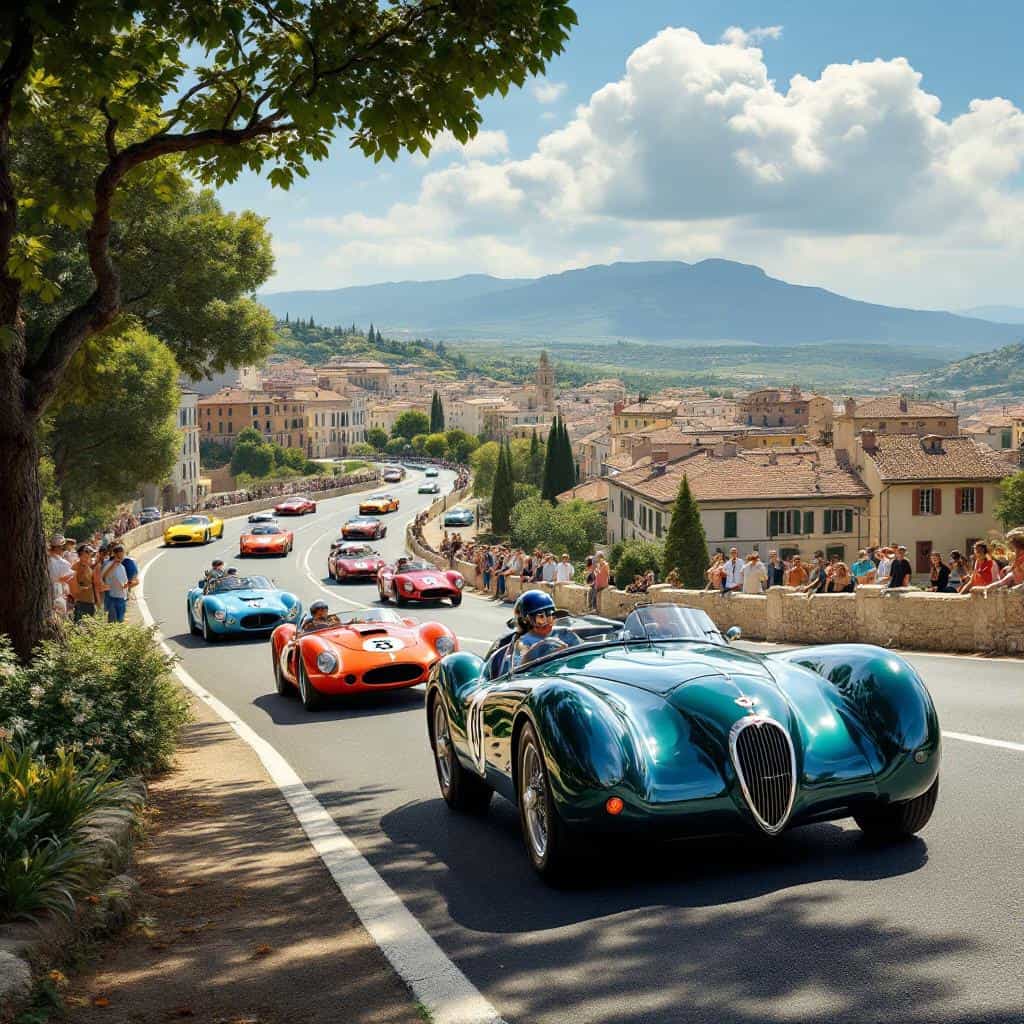
Founded in 1927, the 1000 Miglia has long been celebrated as one of the most prestigious and grueling car races in the world. A spectacle of human endurance and mechanical prowess, it stretches over approximately 1,000 miles (hence the name) across Italy, traditionally starting and finishing in Brescia. This historic race is not just about speed; it’s a test of strategy, precision, and endurance, qualities that have made it a symbol of automotive excellence.
In 2025, the 1000 Miglia is set to showcase several significant changes aimed at revitalizing this beloved event while staying true to its glorious past. One of the most remarkable updates includes the introduction of hybrid and fully electric classic cars, marking a significant step towards sustainability. These eco-friendly vehicles promise to bring a fresh dynamic to the race, challenging traditional norms while promoting environmental consciousness.
The decision to incorporate hybrid and electric vehicles stems from a growing global movement towards sustainability. The organizers, in collaboration with leading automotive brands, have embarked on a mission to create a carbon-neutral race by 2030. This initiative has not been met without skepticism from purists who cherish the roar of petrol engines, but many industry experts commend this forward-thinking approach.
James Hope, a renowned automotive historian, notes, ‘The embrace of electric vehicles in a historic race like the 1000 Miglia signals a pivotal shift in the automotive world. It’s about preserving the essence of the race while simultaneously paving the way for future innovations.’ This fusion of old and new is expected to attract a wider audience, including younger, eco-conscious fans.
In another first, the 2025 edition will showcase a revolutionary digital navigator system provided for each participant. This state-of-the-art technology aims to enhance safety and accuracy in navigation, a stark contrast to the old-school paper maps and human error-prone navigation methods used in the past. The digital navigator features real-time weather updates, route optimizations, and even emergency assistance capabilities.
Innovations are not limited to the vehicles themselves. The race format has also seen a transformation, with new stage layouts that incorporate challenging terrains and scenic routes that highlight Italy’s breathtaking landscapes. The race will now pass through lesser-known, picturesque towns, offering an exclusive glimpse into the heart of Italy. This initiative is aimed at promoting regional tourism and offering participants and spectators an unforgettable visual experience.
The inclusion of these new routes is a tribute to Italy’s rich cultural tapestry, echoing back to the early days of the 1000 Miglia when roads would wind through charming Italian villages. Alessandro Romano, an Italian cultural expert, emphasizes the importance of this, stating, ‘It’s not just about racing; it’s about celebrating Italy’s diverse cultural heritage. When racers drive through these towns, they’re not just participants in a race, but ambassadors of this beautiful nation.’
Despite such innovations, the 1000 Miglia 2025 still preserves the elements that have defined the race for nearly a century. The prestigious ‘Red Arrow’ logo remains a hallmark of the event, and the excitement of classic car enthusiasts, who follow the race religiously, remains undiminished. The inclusion of classic cars dating from 1927 to 1957 remains an attraction. These cars, meticulously maintained by their owners, carry the weight of history with every mile.
The social aspect of the 1000 Miglia continues to be a significant draw. Gatherings of enthusiasts and collectors create an atmosphere akin to a grand automotive festival. These interactions lend an air of camaraderie to the event, where participants and fans exchange stories and expertise, creating a unique blend of passion and heritage. It is a reminder of the timeless allure of classic cars, transcending generations and uniting people who might otherwise have little in common.
Social media and digital content are set to play a larger role in the dissemination of the 2025 race, with live streaming and interactive fan experiences planned. Given the global reach of the event, this initiative is set to engage audiences worldwide, providing real-time updates and virtual participation avenues. Imagine a race where viewers can choose camera angles or access driver’s views via augmented reality features – these innovations make distance participation compelling, reshaping how the race is followed globally.
You may also like
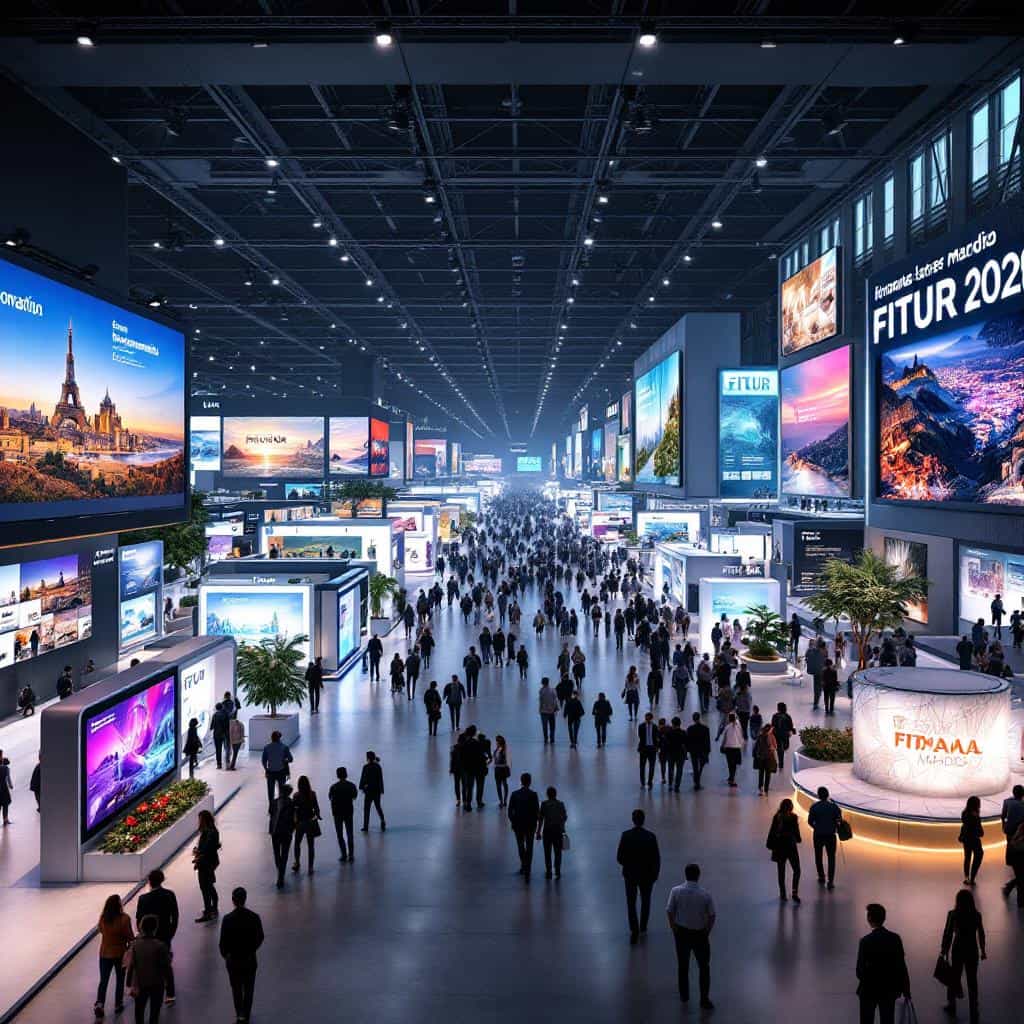
FITUR 2026 in Madrid: How the World’s Tourism Industry Reimagined Travel
From 21 to 25 January 2026, FITUR 2026 transformed Madrid’s IFEMA into the beating heart of global tourism, showcasing cutting‑edge technologies, regenerative travel models, AI‑powered personalization, climate‑smart destinations, and the rise of space and virtual tourism. The fair highlighted how the industry is pivoting from simple growth to resilient, inclusive and sustainable development, while Spain leveraged the event to reinforce its role as a world tourism powerhouse.
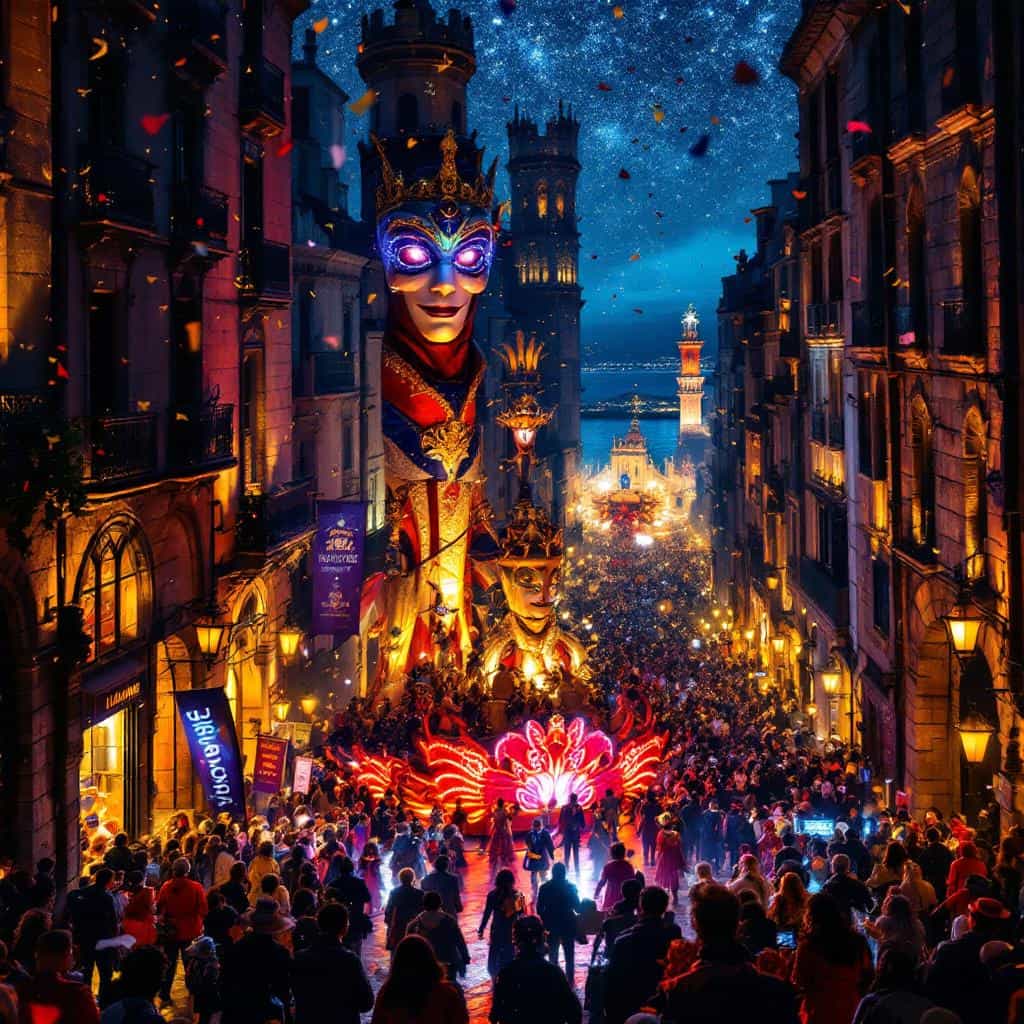
Barcelona Carnival 2026: A Reinvented Citywide Festival of Masks, Music and Street Theater
Barcelona Carnival 2026 turns the city into a multilayered stage, reviving historical rituals while adding new routes, digital experiences, sustainability goals and inclusive programming. From revamped parades in Ciutat Vella to masked nights in Poblenou and community events in Nou Barris, the 2026 edition reimagines the traditional, multi‑stop fiesta with a focus on creativity, neighborhood identity and responsible tourism.

Unveiling the New Digital Networks Act: Benefits, Challenges, and Applicability
The recent introduction of the Digital Networks Act has sparked discussions in the tech and legislative communities. This comprehensive legislation aims to regulate digital infrastructures, enhance cybersecurity, and protect user data. However, its implementation is fraught with benefits, challenges, and varying levels of applicability across regions.

Turkmenistan Embraces Cryptocurrencies: A New Era of Digital Economy
In an unprecedented move, Turkmenistan has opened its doors to cryptocurrencies. This decision marks a significant shift in the nation’s economic strategy, offering numerous advantages but also posing potential challenges. This article explores the reasons behind Turkmenistan’s acceptance of digital currencies, the benefits it expects to reap, and the possible pitfalls it may encounter.