FITUR 2026 in Madrid: How the World’s Tourism Industry Reimagined Travel
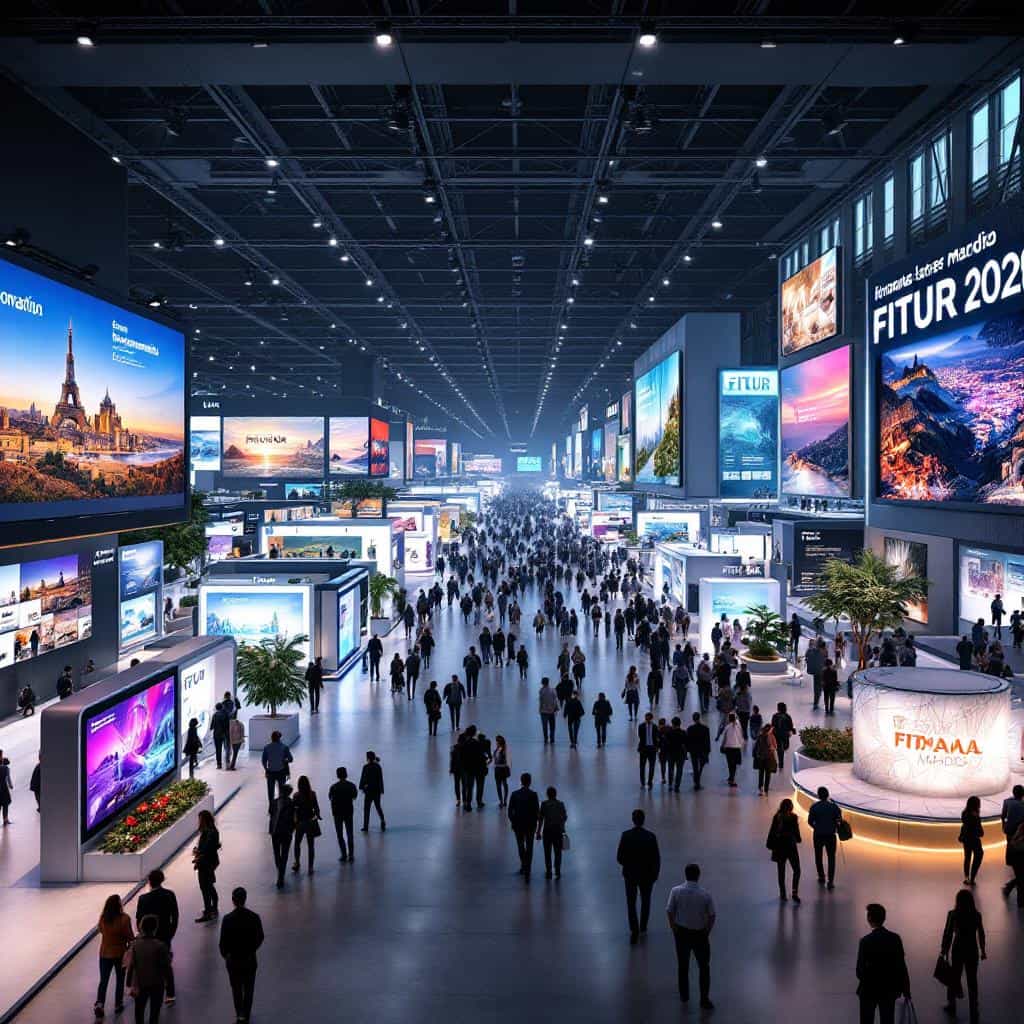
When FITUR 2026 opened its doors at IFEMA Madrid on 21 January, the cavernous halls felt more like a world capital of futures studies than a traditional tourism fair, and over five intense days, until 25 January, the Feria Internacional de Turismo reaffirmed why it has become one of the most influential gatherings on the global tourism calendar. This year’s edition stood at the crossroads of dramatic shifts in traveler behavior, climate urgency and technological acceleration, and the mood on the ground made clear that the industry no longer sees FITUR as a mere marketplace but as a laboratory where the next decade of travel is drafted. Organizers framed the 2026 fair around three intertwined axes—innovation, sustainability and inclusion—and walking through IFEMA’s pavilions, among national tourism boards, regional delegations, airlines, hotel chains, startups and NGOs, it was obvious that exhibitors had taken the brief seriously, bringing prototypes, pilot projects and policy announcements that went far beyond glossy brochures. Veteran attendees who have watched FITUR grow since the 1980s noted that this edition felt unusually cohesive, as if the shocks of recent years had finally forced the tourism world to speak a common language of resilience, data‑driven strategy and shared responsibility for the planet’s most fragile destinations.
The physical scale of FITUR 2026 was itself a statement, with IFEMA’s exhibition space once again fully occupied and several temporary structures erected outside to host overflow programming, signaling that tourism, far from retreating, is reinventing itself in high definition. Spain used the home advantage to underline its role as a tourism superpower, with the national pavilion at the heart of the fair showcasing the country not just as “sun and beach” but as a living case study in diversification, digitalization and green transition. Yet what made this edition distinctive was not size but content: new thematic areas, revamped forums and cross‑sector collaborations that blurred the lines between tourism, technology, culture, climate policy and even space exploration. Industry veterans recalled earlier FITUR editions dominated by battles between tour operators and airlines over package prices, while the 2026 conversations revolved around carbon budgeting, AI‑powered predictive demand, overtourism management and the psychological well‑being of travelers, with panel sessions packed to capacity and informal debates continuing late into the evening in Madrid’s hotels and tapas bars, echoing the city’s historic role as a hub of trade and cultural exchange.
A defining novelty this year was the consolidation of FITUR Tech and FITUR Know‑How & Export into an expanded “Innovation Spine” running through several IFEMA halls, effectively turning the center of the fair into a live demonstration of what the future smart tourism ecosystem might look like, where sensors, data platforms and seamless digital identities followed the visitor journey from stand to stand. Here, AI was no longer an abstract buzzword but a concrete tool, with travel‑tech firms showing systems that build dynamic itineraries based on real‑time crowding information, local air‑quality indexes, individual accessibility needs and even users’ circadian rhythms. An engineer from a Barcelona‑based startup explained how their algorithm could reduce a city’s peak‑time congestion by nudging visitors toward alternative routes and attractions, while a hotel group unveiled an AI‑driven revenue management system that integrates climate forecasts and global events to adjust pricing in a way, they argued, could stabilize employment in seasonal destinations. Skeptics warned that the industry’s fascination with data risks deepening digital divides, yet at FITUR 2026 regulators, academics and NGO representatives were unusually present in these innovation zones, discussing ethical frameworks, interoperability standards and privacy‑by‑design approaches, showing how much the sector has matured since the early experimentation with online booking engines two decades ago.
Sustainability, long a parallel track at tourism fairs, moved to center stage at FITUR 2026, with an expanded FITUR Impact section woven across several pavilions rather than siloed in a single corner, reflecting the industry’s gradual shift from marketing‑driven “green” labels to measurable climate and biodiversity action. Several national tourism boards used the Madrid event to present updated climate road maps aligned with the UN’s Glasgow Declaration on Climate Action in Tourism, with side events explaining how countries plan to decarbonize transport, promote rail over short‑haul flights and support accommodations in transitioning to renewable energy. A particularly crowded session featured scientists from the UNWTO and climate researchers from Spanish universities presenting fresh data on tourism’s share of global emissions and modeling different policy scenarios, sparking debate between low‑carbon travel advocates and airline representatives arguing for a pragmatic approach based on sustainable aviation fuels. Common myths were addressed head‑on, including the idea that sustainability automatically means higher prices or less comfort, with several case studies from Mediterranean islands showing how energy‑efficient hotels and better waste management had actually improved guest satisfaction while reducing operating costs. The presence of youth climate activists, who organized daily “sustainability walks” inside IFEMA, added urgency and moral pressure, reminding delegates that the next generation is watching how seriously the industry treats its responsibilities.
One of the most talked‑about innovations at FITUR 2026 was the emphasis on regenerative tourism, a concept that goes beyond minimizing harm to actively improving the environmental and social fabric of destinations, and this year the fair gave it a dedicated program track and exhibition area that brought together pioneering projects from Latin America, the Pacific and rural Europe. Visitors could explore how Indigenous‑led tourism enterprises in the Amazon are restoring forest corridors, or how a network of Spanish villages is using tourism income to revive traditional irrigation systems and heritage crafts, creating what one mayor described as “a positive tourism footprint you can measure in clean rivers and new school enrollments”. Experts such as economists from the World Bank and sociologists from European think tanks debated whether regenerative models could scale without losing their community‑driven essence, pushing back on the simplistic belief that planting a few trees compensates for long‑haul flights, and instead arguing for holistic approaches that integrate transport, housing, labor rights and land‑use planning. Several global hotel chains, once criticized for their standardized footprints, presented pilot programs in which local cooperatives co‑design guest experiences and share revenue, a shift that some observers compared to the hospitality revolution sparked by Thomas Cook’s package tours in the 19th century, but reversed in direction, from centralized control toward localized partnership. The regenerative theme, while still nascent, gave FITUR 2026 a tone distinct from earlier editions, suggesting that tourism’s legitimacy in the coming decades will depend on its ability to be seen as a force for net positive change rather than just an economic necessity.
Digital immersion and virtual tourism formed another of the fair’s most visible novelties, with a reimagined FITUR Screen and an entirely new “Immersive Travel Lab” offering attendees the chance to test extended reality experiences that blur the boundary between physical holidays and digital exploration, sparking both excitement and philosophical unease. In one striking installation, visitors donned headsets to “walk” inside a meticulously reconstructed version of the Alhambra at night, guided by a historian whose narration blended archival images, poetry and ambient sounds, and participants emerged debating whether such hyperreal experiences might reduce pressure on fragile heritage sites or, conversely, cheapen their aura. Content producers and national tourism boards collaborated to showcase cinematic narratives that promote lesser‑known regions through streaming platforms, reviving a line that dates back to the way early Hollywood films turned the American West into a travel fantasy, but now enhanced by interactive features and data analytics. Policy panels tackled the common fear that virtual experiences will replace physical travel, with media scholars and psychologists presenting research showing that digital previews often reinforce the desire to visit in person, particularly among younger audiences, though they warned of the risk of over‑curated “filter bubble” travel in which algorithms only show destinations similar to previous choices. At FITUR 2026, several startups pitched hybrid models where a physical trip is extended by pre‑ and post‑visit digital layers, from virtual language exchanges with local hosts to augmented reality guides that reconnect travelers with the places they visited, suggesting a future where the travel experience is less a discrete event and more an ongoing narrative woven through both screens and streets.
If digital immersion was one frontier, space tourism was the horizon that drew both awe and skepticism, with FITUR 2026 dedicating a small but attention‑grabbing pavilion to orbital and suborbital travel, perhaps the clearest sign that the fair now sees itself as the umbrella for every form of human mobility in search of experience. Representatives from private aerospace companies presented mock‑ups of future orbital hotels and updated timelines for suborbital flights that would allow passengers a few minutes of weightlessness, flanked by sober displays from scientific institutions explaining the environmental and safety challenges such ventures still face. A veteran astronaut, speaking on one of FITUR’s main stages, compared the current state of commercial space tourism to the early days of transatlantic passenger ships, when only the wealthy could afford passage, but predicted that within a couple of decades costs could fall dramatically, making near‑space views of Earth “the ultimate perspective‑shifting trip”, though climate scientists in the audience pressed hard on the carbon implications. The very presence of space tourism at a travel fair compelled attendees to confront long‑held assumptions about what tourism is, challenging the idea that it must always involve culture, gastronomy or nature, and prompting debates about whether scarce planetary resources should support leisure trips beyond the atmosphere. While some dismissed the exhibits as a distraction from the urgent task of decarbonizing terrestrial travel, FITUR’s organizers argued that engaging with potential futures early allows regulators, ethicists and technologists to shape them, echoing past moments when aviation or cruise travel were dismissed as fads before reshaping global mobility.
Beyond the futuristic headlines, FITUR 2026’s core strength remained its role as a meeting ground for destinations grappling with concrete challenges, and this year’s novelty lay in how overtourism and visitor management were tackled through multi‑stakeholder initiatives rather than isolated campaigns, with cities from Venice to Barcelona and from Dubrovnik to Bali presenting joint frameworks for balancing residents’ quality of life with visitor demand. In a packed session, urban planners showcased data dashboards combining mobile‑phone location data, wastewater analysis and public‑transport usage to provide near real‑time pictures of crowding, allowing authorities to adjust entry slots to popular attractions and dynamically price access, while hoteliers and tour operators described alerts sent directly to guests’ phones suggesting alternative neighborhoods or off‑peak time slots. A common misconception—that the only solution to overtourism is to “stop tourists coming”—was robustly challenged by economists and mayors, who argued that smarter spatial and temporal distribution, combined with community participation in decision‑making, can preserve the economic benefits of tourism while mitigating its worst impacts. The fair also highlighted the rise of second‑tier and rural destinations, with regions in inland Spain, Eastern Europe and Sub‑Saharan Africa presenting themselves as “pressure valves” for overcrowded hotspots, and FITUR’s matchmaking platforms facilitating partnerships that pair mature destinations with emerging ones in knowledge‑exchange programs reminiscent of town‑twinnings in the postwar era but tailored to the complexities of modern travel. This emphasis on governance and local voice distinguished the 2026 edition from earlier fairs where overtourism was often framed as an unfortunate side effect rather than a central strategic concern.
Work, health and safety, once considered back‑office issues, moved onto FITUR 2026’s main stages under the broad theme of resilient tourism, and new sections of the fair explored how destinations are rethinking tourism not only as a leisure industry but as a critical component of broader economic and social systems, including remote work ecosystems and wellness infrastructures. Building on trends accelerated in the early 2020s, several countries unveiled dedicated “digital nomad corridors” with streamlined visas, coworking‑friendly accommodations and tax regimes designed to attract longer‑stay, higher‑spend visitors who integrate into local communities rather than simply passing through, though labor economists warned of housing market distortions if policymakers fail to plan for locals’ needs. At the same time, a revamped FITUR Health brought hospitals, spa resorts and tech firms together to demonstrate how telemedicine, biometric monitoring and personalized nutrition programs are being woven into medical and wellness travel, with one clinic from Andalusia showing a package that starts with online diagnostics months before arrival and continues with virtual follow‑ups long after patients have returned home. Safety experts used the fair to update protocols for dealing with climate‑related emergencies, cyberattacks on booking systems and public health scares, reminding attendees of the fragility revealed by past crises while highlighting the industry’s capacity to adapt. These discussions challenged the widespread belief that tourism is inherently volatile and short‑term by presenting models in which visitor flows are integrated into long‑term regional planning, education and healthcare, aligning with the Sustainable Development Goals in a way that would have been rare to hear in the trade‑dominated fairs of previous decades.
Underlying all of FITUR 2026 was the sense that Spain, and Madrid in particular, was using the fair as a diplomatic and strategic platform, with high‑level political delegations signing bilateral tourism cooperation agreements, announcing new air routes and discussing joint cultural seasons in side rooms that hummed with quiet intensity, far from the colorful stands and public presentations. Spanish officials stressed that hosting one of the world’s leading tourism fairs is not only a matter of prestige but a tool for shaping global narratives about travel, from promoting the Iberian Peninsula as a hub for sustainable meetings and incentives to positioning Spanish companies as technology providers and consultants for destinations worldwide. Experts from the World Tourism Organization, headquartered in Madrid, commented that FITUR has evolved into an unofficial summit where the sector’s “soft law” norms are negotiated, as seen in the 2026 edition’s focus on harmonizing digital health certificates, e‑visa systems and carbon reporting standards for tourism businesses. Historical analogies with earlier trade fairs, such as the great 19th‑century expositions that showcased industrial inventions, surfaced repeatedly, with historians noting that those events also served to shape public imagination about progress, and warning that today’s tourism fairs carry a similar responsibility in defining what “better travel” means. As FITUR 2026 drew to a close on 25 January and exhibitors began dismantling their stands, the consensus among participants was that this edition had been less about the volume of deals signed and more about the quality and direction of commitments made, setting the tone for a travel industry that knows it must navigate between growth, planetary boundaries and the enduring human desire to explore. In Madrid’s winter light, as attendees filtered out into the city’s metro and taxi lines, the conversations that had started in the halls of IFEMA seemed destined to continue in boardrooms, ministries and community meetings worldwide, a reminder that what happens at this fair increasingly shapes the journeys of millions of travelers each year. The legacy of FITUR 2026, many suggested, will be measured not only in arrival numbers or hotel occupancies, but in whether the ideas first sketched on its stands translate into a tourism system capable of withstanding future shocks while offering richer, fairer and more meaningful experiences for hosts and guests alike.
You may also like
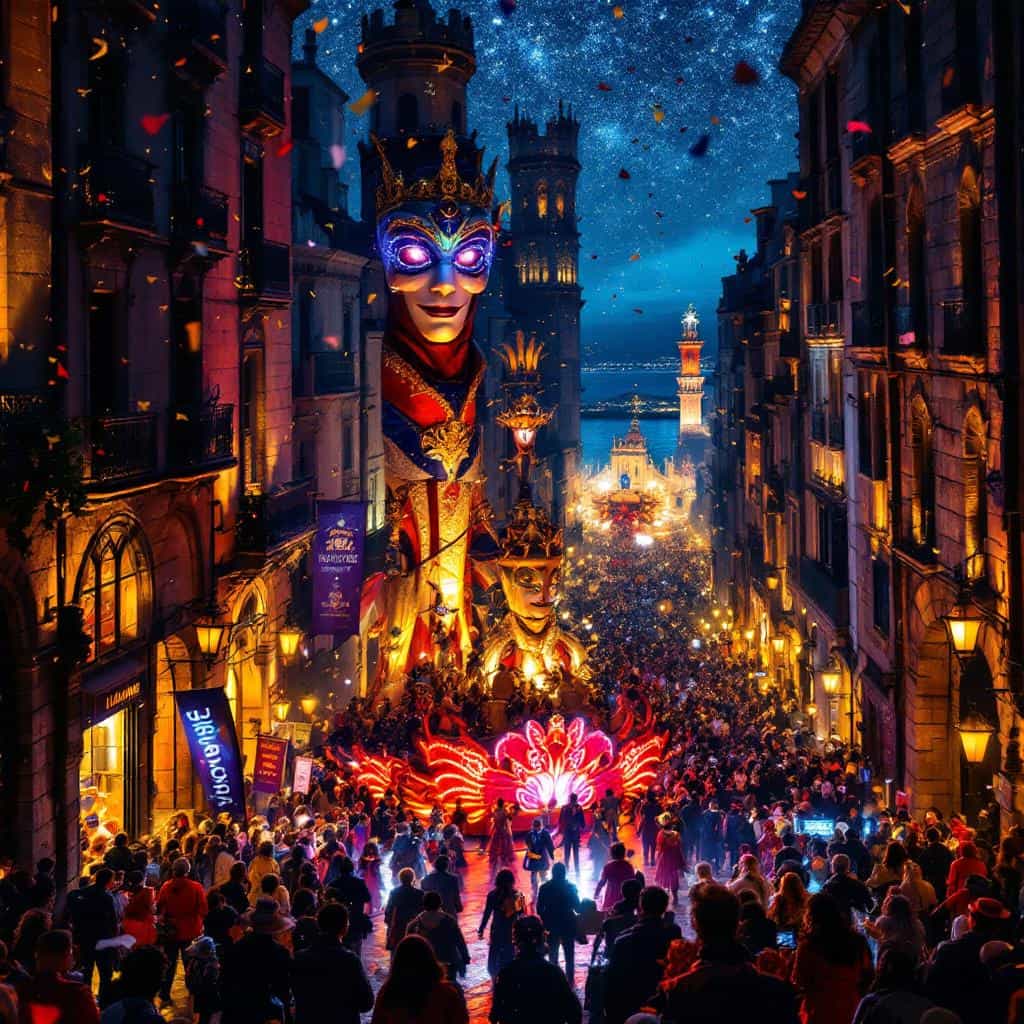
Barcelona Carnival 2026: A Reinvented Citywide Festival of Masks, Music and Street Theater
Barcelona Carnival 2026 turns the city into a multilayered stage, reviving historical rituals while adding new routes, digital experiences, sustainability goals and inclusive programming. From revamped parades in Ciutat Vella to masked nights in Poblenou and community events in Nou Barris, the 2026 edition reimagines the traditional, multi‑stop fiesta with a focus on creativity, neighborhood identity and responsible tourism.
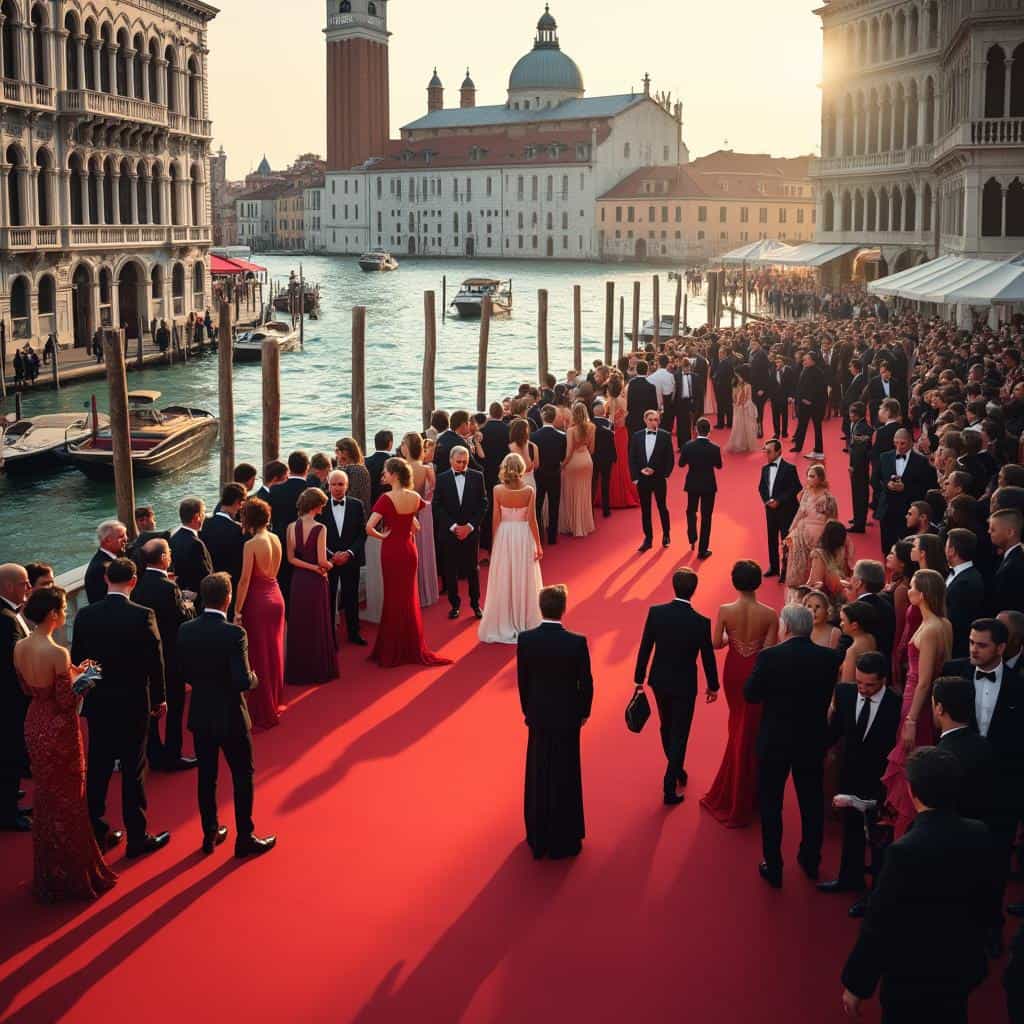
Venice Film Festival 2025: A Celebration of Cinematic Excellence
The Venice Film Festival 2025 dazzled attendees with a lineup of groundbreaking films, star-studded interviews, and prestigious awards, showcasing the very best of international cinema.

Unveiling the New Digital Networks Act: Benefits, Challenges, and Applicability
The recent introduction of the Digital Networks Act has sparked discussions in the tech and legislative communities. This comprehensive legislation aims to regulate digital infrastructures, enhance cybersecurity, and protect user data. However, its implementation is fraught with benefits, challenges, and varying levels of applicability across regions.

Turkmenistan Embraces Cryptocurrencies: A New Era of Digital Economy
In an unprecedented move, Turkmenistan has opened its doors to cryptocurrencies. This decision marks a significant shift in the nation’s economic strategy, offering numerous advantages but also posing potential challenges. This article explores the reasons behind Turkmenistan’s acceptance of digital currencies, the benefits it expects to reap, and the possible pitfalls it may encounter.
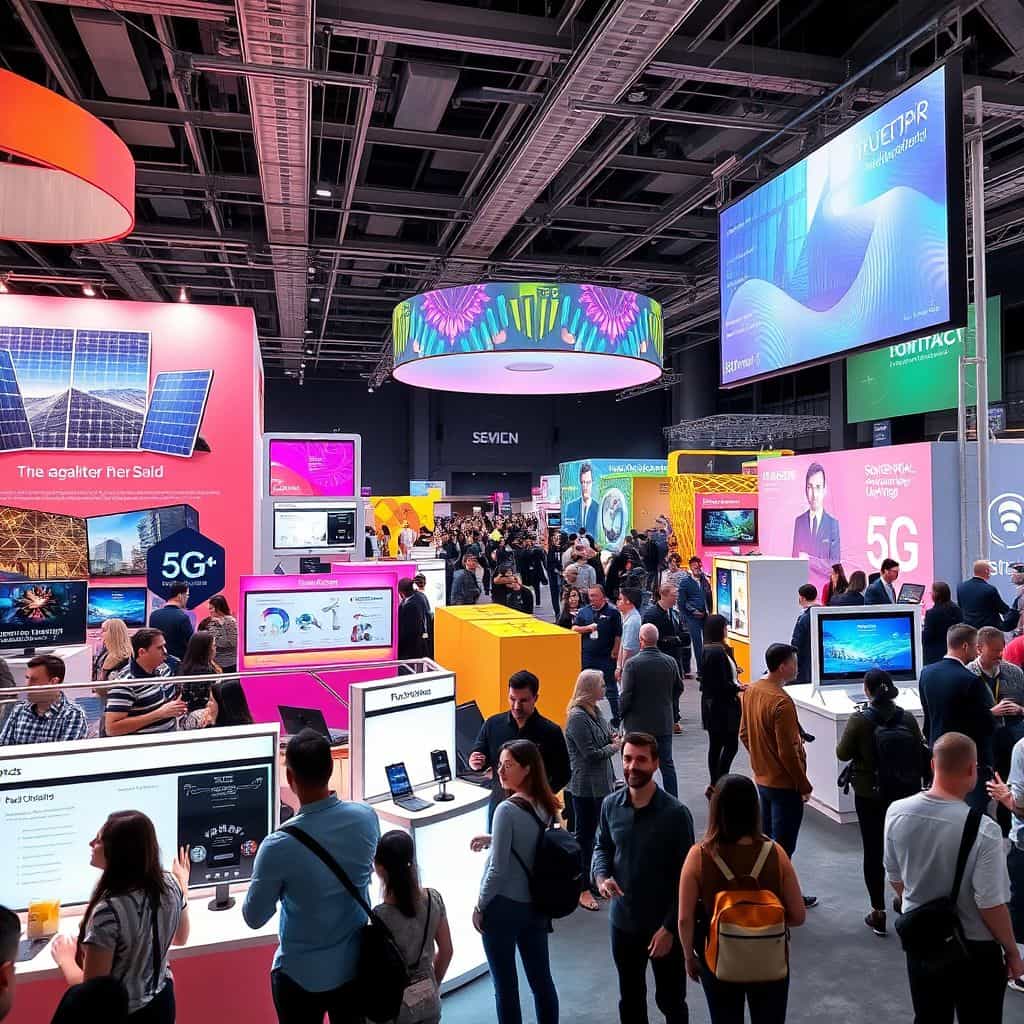
Matelec 2025: Illuminating the Future at the 23rd Edition of Madrid’s Premier Tech and Electrical Industry Fair
Matelec 2025, Madrid’s iconic fair, returns for its 23rd edition, showcasing groundbreaking innovations in technology, the electrical industry, telecommunications, and lighting. Key highlights include the latest in smart energy solutions, innovative lighting designs, and advanced telecommunications technologies.
Why Big Tech is Turning to Geothermal Energy to Power Data Centers
As the demand for digital services continues to grow, Big Tech companies are increasingly relying on geothermal energy to power their data centers. This shift is driven by the need for sustainable and reliable energy sources that can meet the high energy demands of these facilities.