The World of Credit Cards: Proposals, Costs and discusses regional security concerns
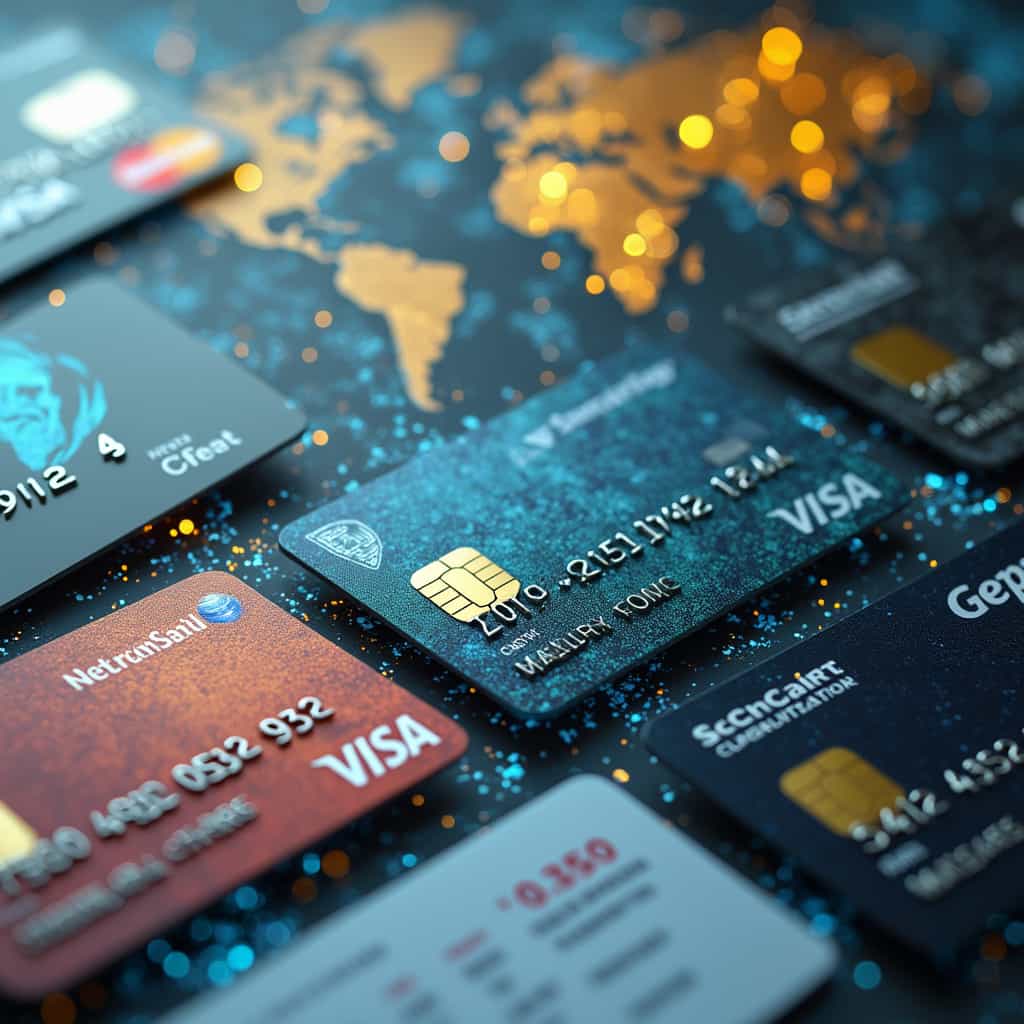
Credit cards have become an integral part of financial life, offering a blend of convenience and purchasing power that cash simply cannot match. As more consumers embrace this financial tool, understanding the complexities of credit card proposals, the costs involved, and the broader benefits is crucial. This comprehensive guide will delve into various credit card offers, outline costs, shed light on security challenges by region, and provide a valuable comparative analysis for making the best choice.
A credit card serves as a revolving line of credit issued by banks or financial institutions, allowing users to buy goods or services now and pay for them later. This mechanism not only enhances purchasing capability but also fosters financial independence. However, with these benefits come responsibilities and costs, underscoring the importance of making informed decisions before acquiring a credit card.
Attractive offers from credit card companies often draw new users. These offers may include low introductory interest rates, cashback rewards, travel points, and other perks aimed at tempting prospective cardholders. While enticing, these incentives often come with hidden agendas, such as significant increases in interest rates after the introductory period ends or the imposition of high annual fees.
In examining credit card costs, it’s important to consider several factors. First, the annual percentage rate (APR) can vary dramatically between different cards. Low APR cards are ideal for those who expect to carry a balance, whereas cards with higher APRs may offset this with rich reward programs. Additionally, annual fees can be non-existent to several hundred dollars, often correlating with the card’s reward structure.
Rewards typically fall into categories such as cashback, travel rewards, or points that can be redeemed for a variety of goods and services. Cashback cards return a percentage of purchases to the cardholder, while travel rewards may offer points or miles that can reduce travel costs. Each card has its own structure, with some offering higher percentages for specific categories like dining or groceries.
A pivotal consideration in choosing a credit card is the user’s spending behavior. Frequent travelers might prioritize travel rewards, while everyday users might lean towards cashback. John Smith, a financial analyst, suggests ‘Understanding your spending habits is key. Choose a card that offers rewards or features aligning with how you use your card every day.’
Security is another pertinent aspect of credit card usage. With the escalation of cybercrime, cardholders are exposed to risks such as identity theft and fraudulent transactions. The importance of EMV technology, a globally accepted secure protocol, cannot be underestimated. While much of Europe and Asia have embraced EMV chips, certain regions in the United States still lag, making them more susceptible to fraud.
Historically, credit card security has evolved significantly. In the past decade, the transition to contactless payments has added convenience with security, though users must still remain vigilant about skimming devices. Jane Doe, a cybersecurity expert, emphasizes the value of remaining aware of one’s credit card statements and promptly reporting any unauthorized transactions.
Globally, the security risks associated with credit card usage vary. In regions plagued by economic instability or weak cybersecurity infrastructure, fraud is more prevalent. However, institutions constantly upgrade security features to combat these issues. It’s advised for cardholders traveling internationally to notify their banks to avoid interruptions but also to gain access to institution-specific insights into regional threats.
Comparing credit card options requires attention to detail. Prospective cardholders should scrutinize the fine print of credit card agreements, examining interest rates, fees, and rewarding structures. For instance, a card with a high annual fee might seem expensive, yet the benefits in terms of perks and rewards could outweigh the cost. Similarly, a card with no fees might save you money annually but at the expense of higher interest rates if balances aren’t paid off monthly.
In conclusion, owning a credit card offers numerous advantages but comes with responsibilities. Selecting the optimal card necessitates understanding personal financial habits, comprehending associated costs, and recognizing regional security threats. By aligning a card’s offerings with individual needs and maintaining vigilant financial oversight, consumers can maximize benefits while mitigating risks. As financial landscapes evolve, so too will the attributes and security features of credit cards, forever changing the way we transact and manage debt.
You may also like

Guide to Online Banking: Options and Considerations
As the digital revolution transforms the banking industry, understanding the nuances of online banking proposals is essential for consumers. This article delves deep into the various offerings, costs, and benefits of online banks, highlighting potential risks and geographical trends in adoption. A comparative analysis presents insights into selecting the best online banking services.

FITUR 2026 in Madrid: How the World’s Tourism Industry Reimagined Travel
From 21 to 25 January 2026, FITUR 2026 transformed Madrid’s IFEMA into the beating heart of global tourism, showcasing cutting‑edge technologies, regenerative travel models, AI‑powered personalization, climate‑smart destinations, and the rise of space and virtual tourism. The fair highlighted how the industry is pivoting from simple growth to resilient, inclusive and sustainable development, while Spain leveraged the event to reinforce its role as a world tourism powerhouse.

Barcelona Carnival 2026: A Reinvented Citywide Festival of Masks, Music and Street Theater
Barcelona Carnival 2026 turns the city into a multilayered stage, reviving historical rituals while adding new routes, digital experiences, sustainability goals and inclusive programming. From revamped parades in Ciutat Vella to masked nights in Poblenou and community events in Nou Barris, the 2026 edition reimagines the traditional, multi‑stop fiesta with a focus on creativity, neighborhood identity and responsible tourism.

Unveiling the New Digital Networks Act: Benefits, Challenges, and Applicability
The recent introduction of the Digital Networks Act has sparked discussions in the tech and legislative communities. This comprehensive legislation aims to regulate digital infrastructures, enhance cybersecurity, and protect user data. However, its implementation is fraught with benefits, challenges, and varying levels of applicability across regions.

Turkmenistan Embraces Cryptocurrencies: A New Era of Digital Economy
In an unprecedented move, Turkmenistan has opened its doors to cryptocurrencies. This decision marks a significant shift in the nation’s economic strategy, offering numerous advantages but also posing potential challenges. This article explores the reasons behind Turkmenistan’s acceptance of digital currencies, the benefits it expects to reap, and the possible pitfalls it may encounter.